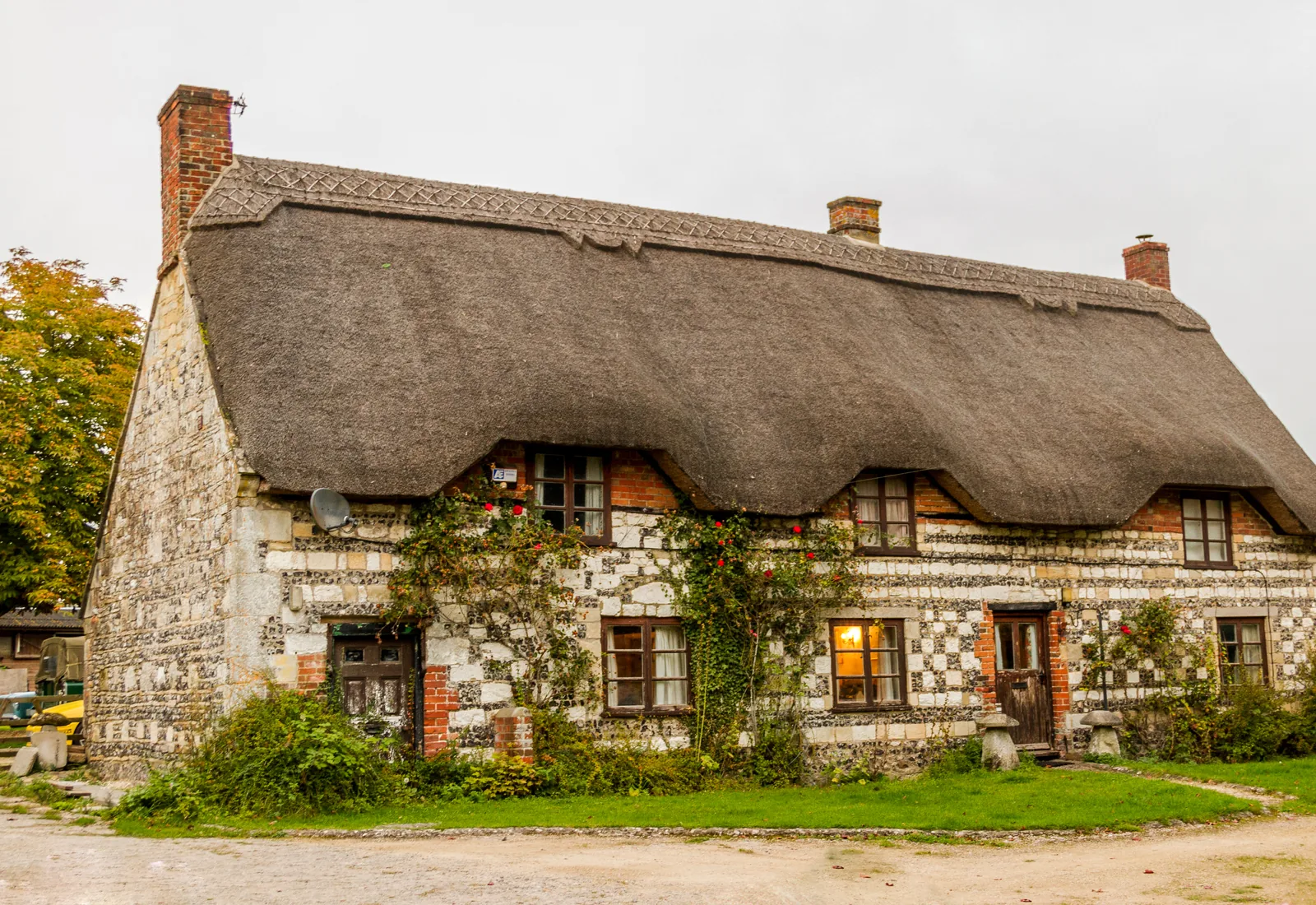
Know the property before requesting quotes
Have the address, occupancy, listed status, roof material, approximate age, heating arrangements, chimney details and recent roof history ready. If the roof has been re-thatched, patched or re-ridged, keep the dates and invoices. If you do not know something, say so rather than guessing.
A specialist broker or insurer may ask many more questions than a standard comparison form. A permanent property record means you answer consistently each year.
Keep maintenance evidence separate from estimates
An old invoice proves work was billed; a dated inspection note explains condition; a sweep certificate records a chimney service; an electrical report covers a different issue. Keep the original evidence rather than combining everything into one vague note.
When a recommendation is made, record whether it was completed, deferred or superseded. That makes the history understandable later.
Record changes during the policy year
Heating changes, building works, change of occupancy or major roof work can matter to an insurer. The policy wording will tell you what must be disclosed. Keep a small change log and save broker or insurer correspondence so the record shows what was notified and when.
Rebuild value is not the market price
Specialist insurers frequently emphasise adequate buildings sums insured. Older and listed buildings can require specialist materials, trades and approvals after serious damage. Use a suitable professional approach to rebuild valuation rather than copying the property’s sale price.
ThatchKeeper stores the figure and supporting document you choose to rely on; it does not calculate a reinstatement value.
Build a renewal routine
Start several weeks before renewal. Review the property profile, roof history, chimneys, electrical record, alarms, extinguishers and any policy-specific conditions. Then archive the old schedule and save the new one so you can see how the conditions changed over time.
Build an insurance-ready property summary
Maintain a concise factual summary that can be checked each renewal: roof material, known roof dates, listed status, heating appliances, chimneys in use, recent roof work, electrical inspection date and any other details repeatedly requested by specialist insurers. This reduces the chance of giving slightly different answers every year simply because the information is being recalled from memory.
When something changes, update the summary and keep the old version with the policy year. Examples could include installing or removing a stove, completing major roof work, changing occupancy or adding an outbuilding. Whether a particular change must be disclosed depends on your policy, but the property history should still show when it happened.
Keep evidence of conversations that matter
Telephone calls are hard to prove later. Where a question could affect cover, ask for written confirmation where practical and save it. Label the correspondence with the insurer or broker, date and subject. That makes renewal preparation easier and reduces dependence on remembering who said what.
Check your insurance evidence
Use the free checklist to see what you already have, then keep policy wording, due dates and evidence together in ThatchKeeper.
Source guidance can change. Check the current version and obtain property-specific advice where needed.