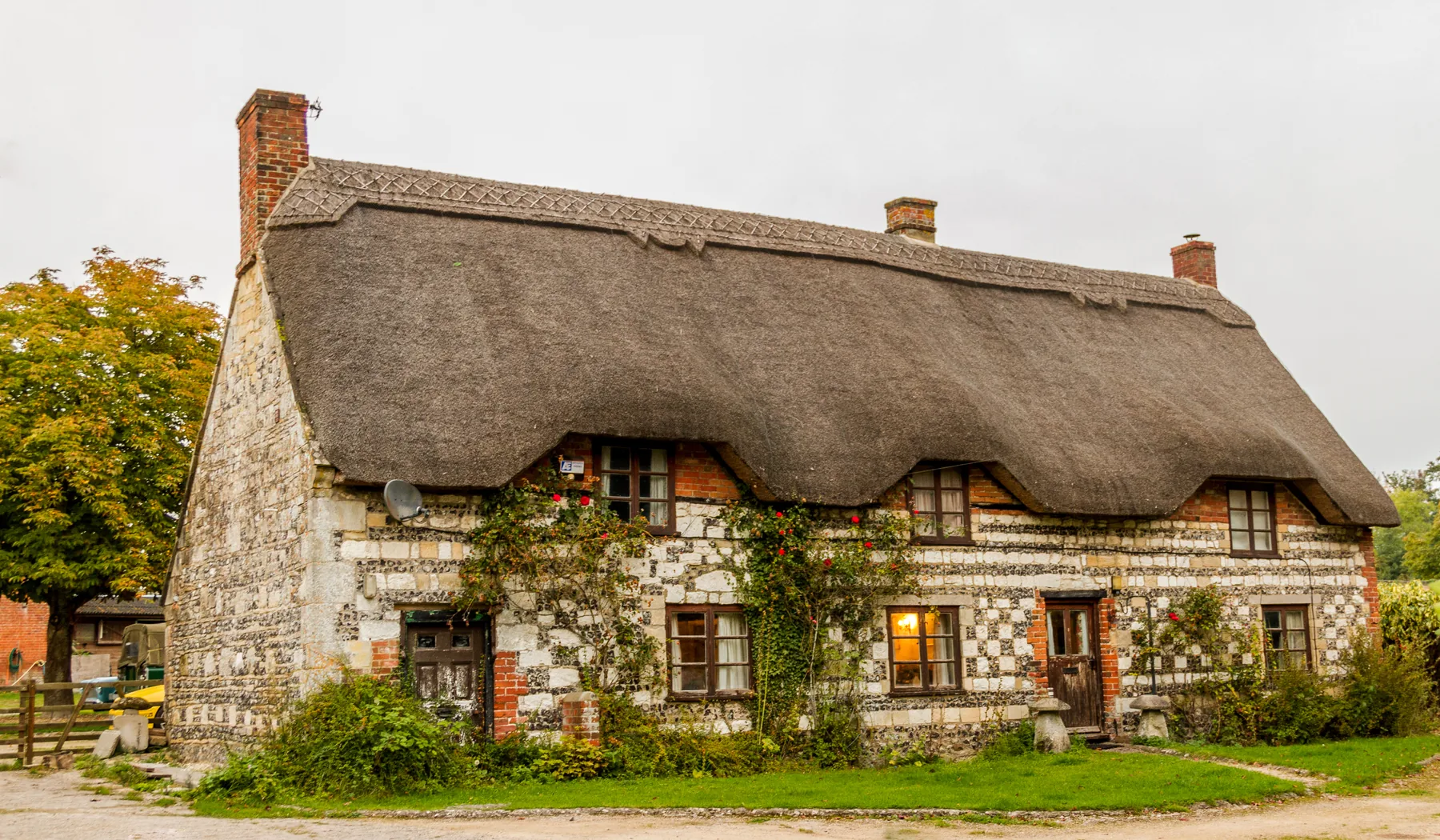
Use the right source for frequency
Hampshire and Isle of Wight Fire & Rescue Service advises owners of thatched properties to have chimneys swept at least twice a year, while other fire services give guidance that varies with fuel and use. Your insurer may impose its own condition. A qualified sweep can also advise based on the actual appliance and deposits found.
Record the source of the interval you are following. That avoids confusion when different websites quote different numbers.
Keep a certificate history
For each sweep, keep the date, chimney, appliance, sweep or company, certificate reference and any observations. If the sweep recommends repairs or an inspection, turn the recommendation into a separate action rather than leaving it buried in a note.
If a property has more than one flue, identify each one consistently. “Chimney swept” is not enough if there are three chimneys and two appliances.
Separate sweeping from inspection and stove servicing
Sweeping removes deposits; a chimney or flue inspection is a different record; a stove service is another. Keeping them separately makes it easier to understand what has actually been done.
The same applies to liner work, pots, cowls, bird guards or other changes. Record the component, date and contractor rather than relying on a general invoice.
Watch for policy-specific evidence
Some policies require professional cleaning or evidence at stated intervals. If that applies to you, the policy condition belongs beside the sweep record. Keep the actual certificate and retain older certificates after the next sweep is complete.
If policy wording differs from general fire-service guidance, discuss the wording with the insurer or broker rather than assuming one cancels the other.
Use the record during handover
When changing sweep, insurer or property owner, a chronological chimney history gives the next professional useful context immediately: frequency, fuels, appliances, previous recommendations and completed work.
Give each chimney a stable name
Older houses often have multiple stacks, flues and fireplaces. Create names that will still make sense years later: “north stack — sitting-room stove”, “south stack — dining-room open fire” and so on. Use the same names on sweep records, inspection notes, photographs and maintenance tasks.
If an appliance is taken out of use, do not delete its history. Mark it dormant and record the date. If it is brought back into use, check what professional and insurance steps are required before assuming the old maintenance pattern still applies.
Keep findings, not just certificates
A sweep certificate confirms a service took place, but the sweep may also mention tar deposits, damaged pots, bird nesting, liner concerns or another issue. Record those findings separately and track the follow-up. The certificate remains evidence of the sweep; the action record shows what happened next.
- Hampshire & Isle of Wight Fire & Rescue Service — Thatched living
- Essex County Fire and Rescue Service — Thatched properties
- Devon and Somerset Fire and Rescue Service — Thatched properties
Source guidance can change. Check the current version and obtain property-specific advice where needed.