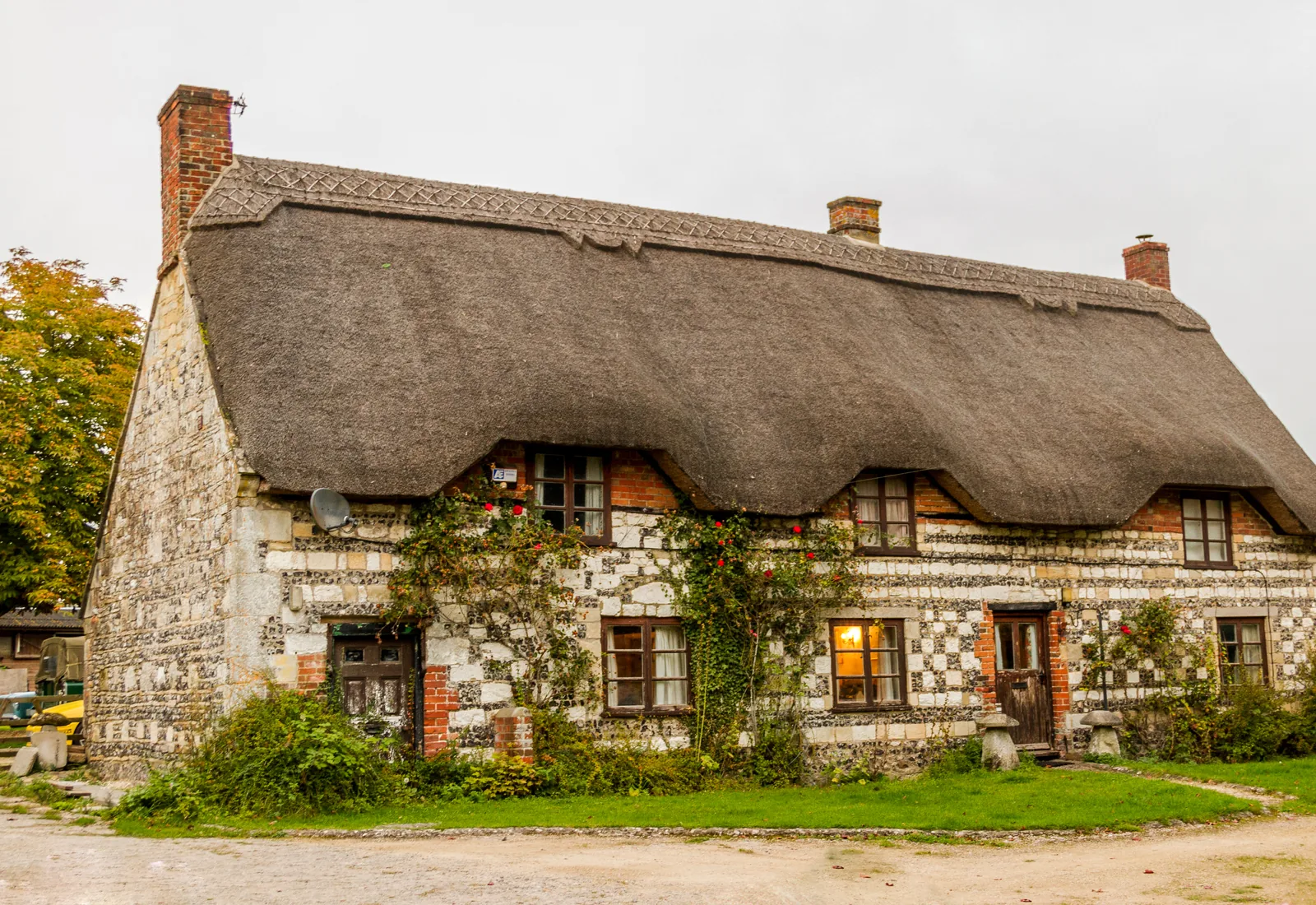
Clarify whether the quote is really a full re-thatch
Ask what layers are being removed or retained, what elevations are included, what happens to the ridge and whether patching, repair or recoating is a viable alternative. Historic England notes that patch repair can sometimes extend the period before more extensive work.
Record material and local conservation constraints
Traditional thatch materials and techniques can matter especially on listed buildings. A change in material may require discussion with the planning authority or conservation officer. Keep that correspondence with the project.
Capture access and associated work
Scaffolding, temporary protection, chimney work, timber repairs and waste can affect the overall project. Store these as linked costs so the final figure is not confused with the thatcher’s labour and material quote alone.
Compare quotes on scope, not just total
Two quotations are only comparable if they are offering the same work. Save each quote, assumptions, exclusions, material and proposed programme. Record why you selected the contractor.
Archive the completed project properly
At completion, keep final invoices, photographs, dates, contractor details, relevant permissions and any maintenance recommendation. The next owner may rely on that history many years later.
Create one project record from first quote to final invoice
Major re-thatching can generate quotations, surveys, conservation correspondence, scaffolding paperwork, material discussions, interim invoices and photographs. Put these into a single project record with a clear start and completion date. Keep a running list of decisions and variations rather than relying on the final invoice to tell the whole story.
If the building is listed, record any pre-application advice and consent position before work begins. If work proceeds as maintenance without formal consent, keep the professional or council advice you relied on where available.
Preserve the material specification
The finished roof may look obvious when it is new, but material details can become uncertain years later. Keep the contractor’s specification, source of material where relevant, ridge details and any notes about retained historic layers. That information will help the next repair or survey start from known facts.
- Historic England — Conservation of Traditional Thatch
- GOV.UK — Conserving and enhancing the historic environment
Source guidance can change. Check the current version and obtain property-specific advice where needed.