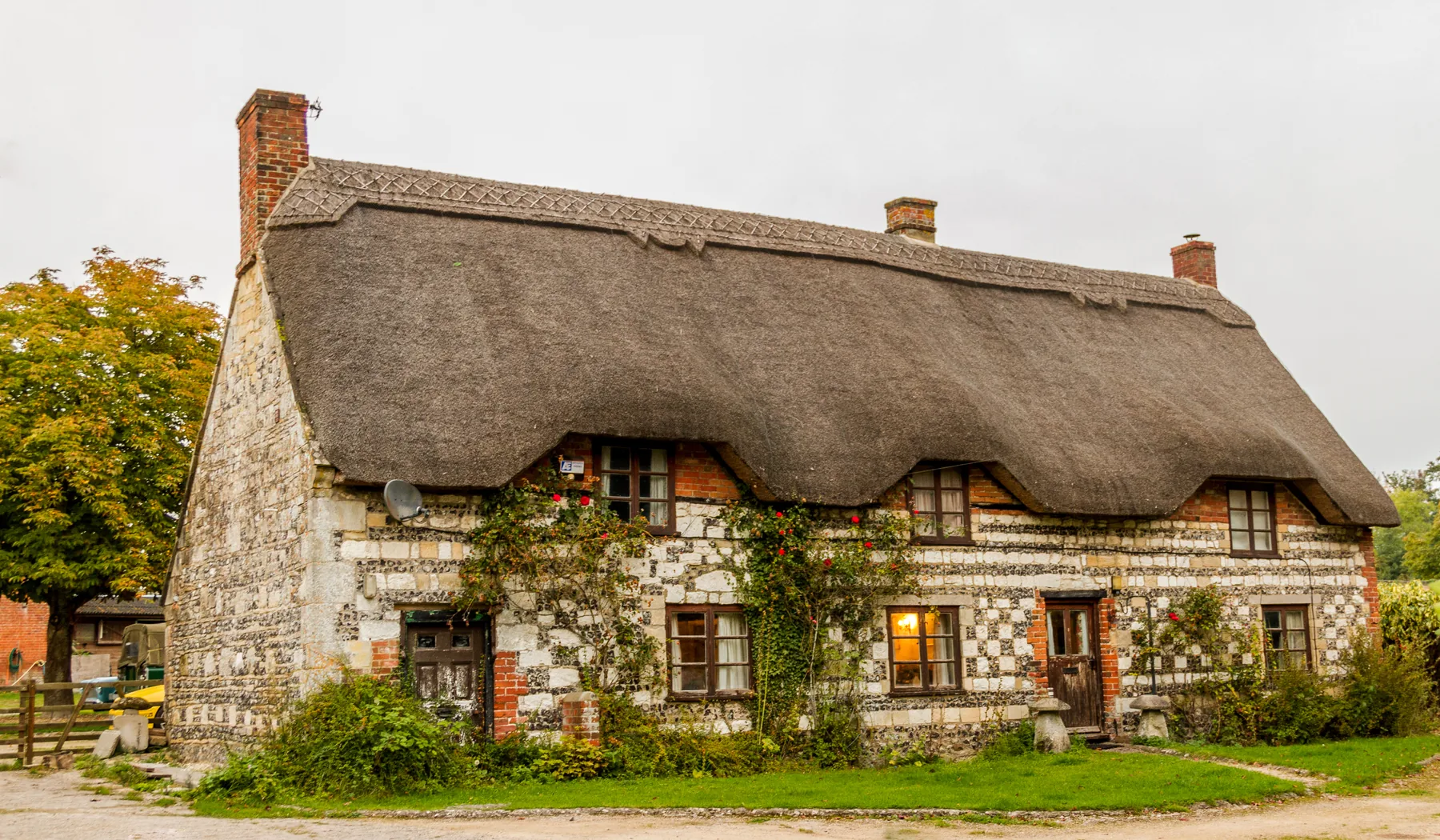
Ask for the roof chronology
Request known dates for re-thatching, major coats, ridge work, inspections and repairs. Ask for invoices and photographs where they exist. A seller may not know everything, especially on an old property, so separate documented facts from recollection.
Understand the material
Ask what thatching material is present and whether the roof is listed or subject to conservation constraints. Historic England provides detailed guidance on traditional thatching materials and the significance of historic basecoats.
Gather chimney and heating evidence
Request recent sweep certificates, stove or appliance records, chimney inspections and known flue work. These records do not replace your own survey or professional checks, but they help you understand the maintenance history.
Price insurance before exchange
Thatched property insurance is specialist. Obtain a realistic insurance route early enough that conditions or exclusions do not become a last-minute surprise. Record any information the insurer asks you to confirm.
Create the digital handover
On completion, place the roof history, policy, surveys, consents, contractor details and key certificates into one property record. Then begin your own dated history from day one.
Ask for records early enough to affect your decision
Do not wait until the day before exchange to ask for roof invoices or chimney history. Missing records may not be a reason to walk away, but they can influence which surveys, insurance questions and specialist inspections you arrange before becoming committed.
If a seller cannot provide evidence of a claimed re-thatch date, treat the date as unverified and ask your surveyor or thatcher what can reasonably be inferred from condition. The purpose is not to challenge the seller; it is to avoid turning a marketing statement into a permanent property fact.
Start your own record at completion
On moving day, save the final survey, policy, seller-supplied documents and key contractor contacts into one place. Photograph the roof from consistent viewpoints within the first few weeks. This becomes the baseline against which future maintenance and repairs can be compared.
Start the property evidence checklist
Before exchange, organise the roof history, insurance questions, chimney records and documents you want handed over.
- Historic England — Conservation of Traditional Thatch
- Howden — Thatched property insurance
- GOV.UK — Conserving and enhancing the historic environment
Source guidance can change. Check the current version and obtain property-specific advice where needed.